MCRC Director's Update
January–March 2026

Hello everyone,
A warm welcome to the first Director’s Update of 2026. The past three months have been an exceptionally busy period for the MCRC and we’ve seen significant progress across our international partnerships, community engagement activities, and the continued visibility of Manchester’s scientific excellence on the global stage.
In this issue: Our New Radiobiology Chair, GU Oncology Researchers’ Leadership and Trials and Recent Publications on Genomics, Brain and Breast Cancer.
MCRC Research and Impact
A New Chair in Experimental and Translational Radiobiology
A very warm welcome Professor Ludwig Dubois who started on March 1st 2026 at his new position as Chair in Experimental and Translational Radiobiology. Professor Dubois will establish and lead a cutting-edge programme in radiobiology and pre-clinical translational experimental research, with a particular emphasis on combined treatment strategies that highlight new uses for proton beam therapy. His planned research programme will build the evidence base for proton and proton FLASH therapies in combination with targeted and immune therapies, to accelerate new radiotherapy treatment indications across the NHS.

Genito-Urinary (GU) Research Excellence in MCRC
Prostate, bladder and penile cancer research continue to be a strength of the MCRC and January–March has been a busy time to showcase our research in this area.
I kicked off the year on 15th January as a key note speaker for HypoxEU with a webinar on prostate cancer entitled: “Embracing Heresy: Unstable Mutator Phenotypes Arise Only In Tumour Cells Capable of Proliferation Under Severe Hypoxia.” The MCRC has several investigators who are focused on hypoxia and the tumour microenvironment in our CRUK RadNet programme and HypoxEU is a great opportunity to engage with Europe’s leading hypoxia researchers.
MCRC-Christie Takes Centre Stage at GU ASCO in San Francisco
In late February, the MCRC-Christie team made a significant impact on the global stage at the ASCO Genitourinary (GU) Cancers Symposium in San Francisco. Held from 26th–28th February, the event gathered world-leading experts to discuss the latest breakthroughs in urological oncology.
Our team’s involvement spanned leadership, clinical trial analysis, and cutting-edge translational research:
- Professor Peter Hoskin served on the prestigious Organising Committee for this year’s meeting, helping to shape the scientific agenda for this international gathering.
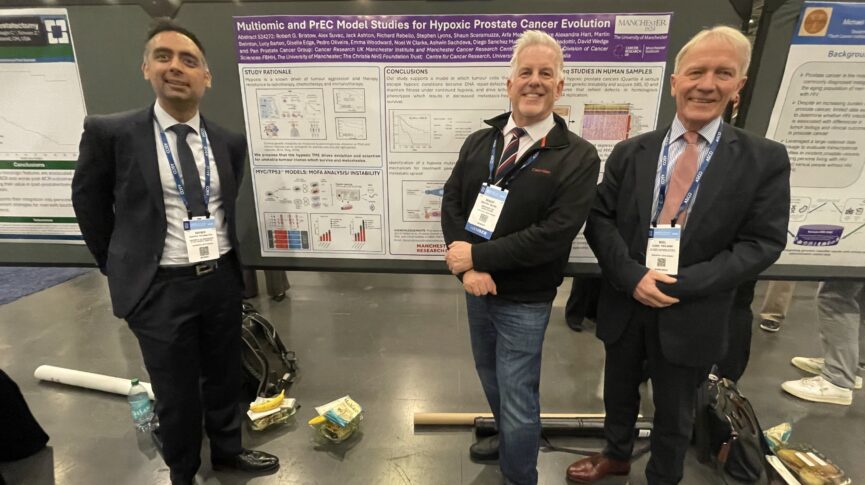
- I showcased our GU translational research, presenting a study on patient-derived primary prostate cancer epithelial cultures. This work is vital for understanding how prostate cancer cells evolve under hypoxic conditions.
The Christie’s contribution to the landmark STAMPEDE trial was well-represented with three key presentations:
- Dr Struan Gray (Fellow): Presented two significant analyses focusing on predicting non-cancer mortality risk and the use of the Skeletal Muscle Index as a prognostic biomarker in hormone-sensitive prostate cancer.
- Dr Ashwin Sachdeva: Shared important Quality of Life (QoL) results regarding the addition of metformin to androgen deprivation therapy (ADT).
- Professor Ananya Choudhury: Presented a multi-centre retrospective study examining how ARPI dose reductions impact overall survival in patients with metastatic castration-resistant prostate cancer.
This MCRC radiotherapy research group was also highlighted in ASCO-related news stories:
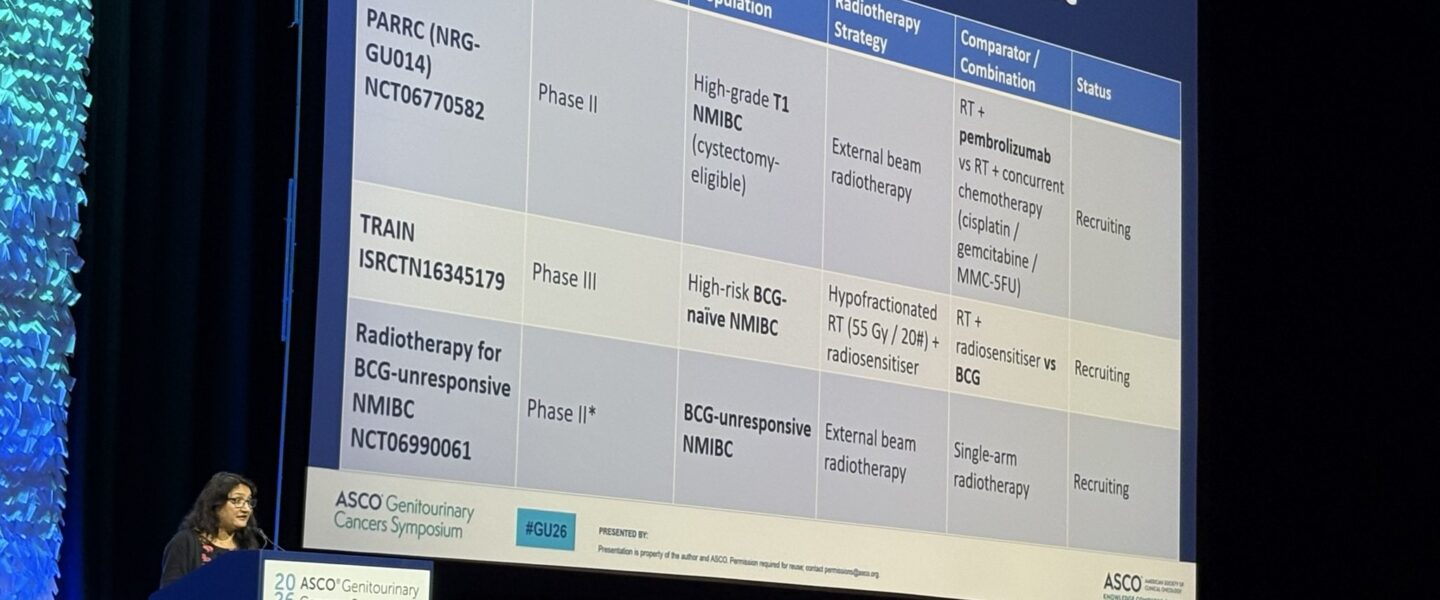
- Professor Ananya Choudhury: discussed gender bias in bladder cancer care and novel radiotherapy trials. This included a spotlight on TRAIN, a Phase III randomized controlled trial comparing radiotherapy with radio-sensitisation against intravesical BCG therapy for high-risk non-muscle invasive bladder cancer.
- Dr Hannah Bromley: discussed the vital role of treatment de-escalation – reducing doses of androgen receptor signalling inhibitors to decrease toxicity and improve the quality of life for men with aggressive prostate cancer.
This strong presence in San Francisco underscores MCRC-Christie’s commitment to leading the way in prostate cancer research and improving patient outcomes through collaborative, world-class science.
MCRC and Christie Urology Teams Shine at EAU 2026 in London
Our investigators made a significant impact at the European Association of Urology (EAU) Congress on 13th-15th March, showcasing cutting-edge research in GU Oncology and translational medicine.
Our MCRC-based surgical fellows presented vital work on imaging and Quality of Life (QoL) within the STAMPEDE trial platform:
- Dr Struan Gray explored the skeletal muscle index as a biomarker for prognosis and the impact of metformin on body composition.
- Omar El-Taji presented findings on predicting non-cancer mortality risk in patients following doublet therapy.
- Professor Noel Clarke shared key results from the CAPItello-281 trial, highlighting the efficacy of capivasertib and abiraterone for PTEN-deficient mHSPC patients.
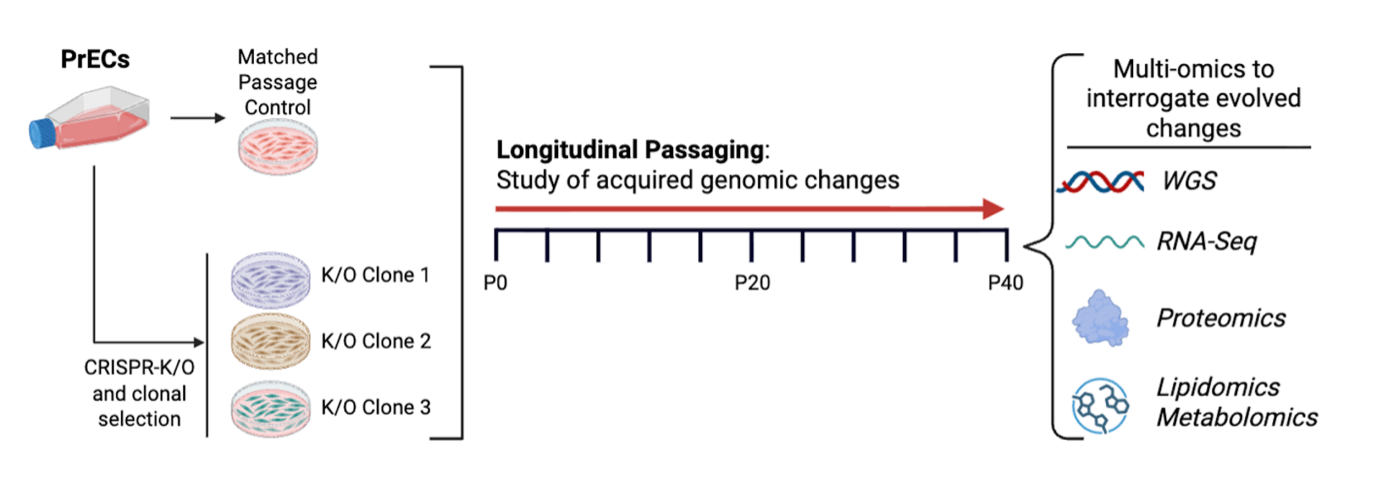
I also spoke on the novel hereditary cancer models in a lab research session; these are being developed in the MCRC in collaboration with Urology and Pathology at the Christie: Tumour cell evolution within patient-derived models of localised hereditary prostate cancer.
Our penile cancer research programme is one of the largest in Europe, and so we presented two pivotal studies during our time at EAU:
- Fozia Azhar discussed immune checkpoint status and the microenvironment in metastatic penile cancer.
- Xuan Lim and Diego Sanchez revealed the heterogeneous genomic landscape of HPV-positive squamous cell carcinoma.
FASTMAN Celebration
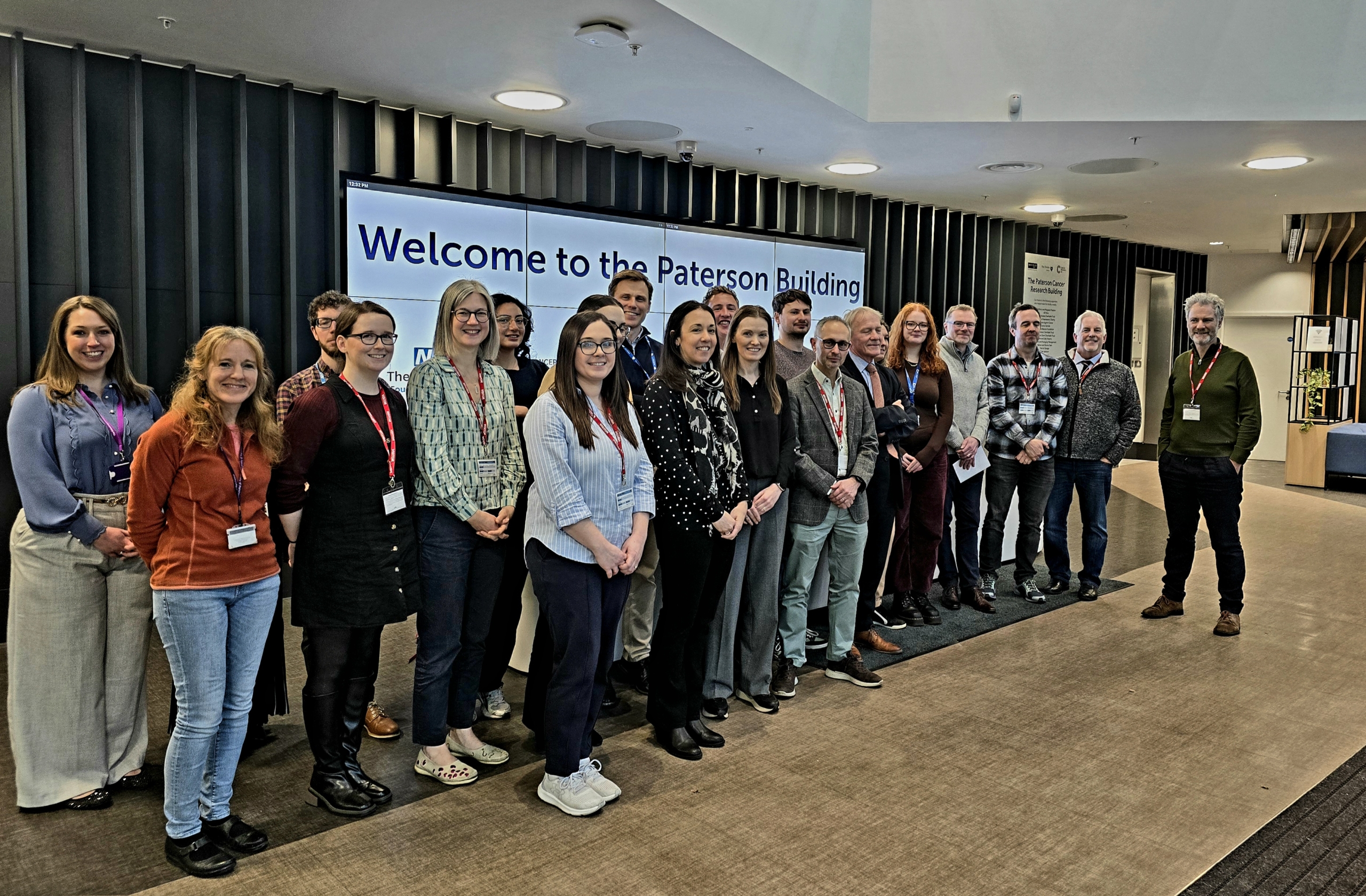
On 16th February, w hosted a celebration event with QUB-Belfast to review and celebrate the impact and early career researchers associated with our Movember-PCUK FASTMAN Centre of Excellence, with a focus on localised prostate cancer. In the presence of PCUK HQ leads, presentations highlighted sporadic and hereditary prostate cancer genomics, translational radiobiology, radiogenomics, long term side effects of hormone therapy, novel clinical trials and predictive imaging biomarkers. We also welcomed a lay visit by the CEO and senior administration from ICELAND Foods Ltd., donors to PCUK, who took part in a Q&A and a tour of the labs, overseen by Stephen Lyons from CRUK MI.
National Biomarker Centre Hosts Inaugural Senior Advisory Board Seminar
On Thursday 5th February, the CRUK National Biomarker Centre reached a significant milestone by hosting its first Scientific Advisory Board (SAB) meeting. The event featured an exclusive seminar series and an interactive poster session, providing a platform for NBC researchers to showcase their latest work. The day concluded with a networking reception, allowing our team to engage in high-level discussions and “mingle” with the distinguished international experts on the SAB panel. These insights will be instrumental in shaping the future of our biomarker research.
Celebration for Members of the Royal Societies
Recently, President and Vice-Chancellor Professor Duncan Ivison, alongside Vice-President for Research Professor Colette Fagan, hosted a special reception to honour our latest appointments to the Royal Societies.
The event celebrated the election myself and Professor Caroline Dive as Fellows of the Academy of Medical Sciences (FMedSci). This recognition highlights the calibre of research within the MCRC. We are proud to house a growing number of Fellows whose careers continue to drive significant global impact.
Our Royal Society Fellows include:
- FMedSci: Robert Bristow, Caroline Dive, John Radford, Tim Illidge, Bill Newman, Nic Jones, and Martin Humphries.
- FRSC, FRSM, & FRSA: Kostas Kostarelos.
Spotlight on Manchester Publications and Grants
Anti-Progestin Therapy Targets Early Hallmarks of Breast Cancer Risk
This study published in Nature identifies that high breast density and stiff tissue environments are key drivers of cancer risk, specifically by promoting the growth of “luminal progenitor” cells. By treating high-risk patients with the anti-progestin drug ulipristal acetate, researchers successfully reduced breast density, softened the surrounding tissue matrix, and lowered the number of these cancer-prone cells. The findings provide a biological “roadmap” for how hormone therapy can physically remodel the breast to prevent tumour development. Ultimately, this research offers a potential non-surgical alternative for women at high risk of breast cancer by targeting the structural and cellular hallmarks of the disease before it starts.
Comprehensive repertoire of the chromosomal alteration and mutational signatures across 16 cancer types
This study, published in Nature, demonstrates that the anti-progestin drug ulipristal acetate can physically and biologically remodel breast tissue to reduce cancer risk in high-risk premenopausal women. By analysing breast tissue at the single-cell level, researchers found that the therapy successfully “softens” dense breast tissue and reduces collagen levels, which are known structural drivers of tumor development. Crucially, this treatment significantly depleted the specific “luminal progenitor” cells often responsible for aggressive breast cancers, effectively disarming the environment that fuels the disease. These findings suggest a promising non-surgical prevention strategy that targets the mechanical and cellular hallmarks of breast cancer before it starts.
New research indicates a simple blood test could detect the deadliest brain tumour
Researchers in Manchester have developed an experimental method that shows potential for accurately detecting the most common and aggressive form of brain cancer in adults, known as glioblastoma, from the blood. This pioneering study, led by scientists at The University of Manchester and involving teams in Denmark, has been published in Neuro-oncology Advances.
In what is considered a major breakthrough in the battle against brain cancer, scientists have found early evidence that a pair of proteins in the blood may help identify glioblastoma with high accuracy and provide insights into how the disease responds to treatment.
Reducing the side effects of hormone therapy for prostate cancer: the ENHANCE trial
The ENHANCE trial is a major UK study investigating whether reducing the dosage of standard hormone therapies can maintain effectiveness against prostate cancer while significantly cutting debilitating side effects. By testing half-doses of drugs like abiraterone and enzalutamide, researchers hope to improve patients’ quality of life by minimizing fatigue, hot flushes, and high blood pressure. If successful, this trial could redefine international treatment guidelines by 2030, offering a kinder and more sustainable approach to managing advanced prostate cancer.
International collaborations
National Cancer Centre Singapore
In February, we hosted a delegation from the National Cancer Centre Singapore, who were concluding a 12‑week visit to Manchester to the MCRC and Manchester NHS Trusts. Our discussions highlighted several promising areas for deeper collaboration, including the hereditary cancers, applied health research and potential for joint work in early detection in adult and paediatric cancer. The visit was organised by Dr. Emma Woodward on behalf of medical genetics.

The National Cancer Centre Singapore

The delegation from the National Cancer Centre Singapore visited the MCRC
NIHR Global Health Research Group Hosts Successful External Advisory Board Meeting
On 17th February, our NIHR Global Health Research Group convened its External Advisory Board (EAB) to review our ongoing programme to improve oesophageal cancer survival in Kenya. Led by Professor Fiona Walter (Queen Mary University of London), the board featured a distinguished panel of international experts from Kenya, the UK, and the USA.
The EAB highly commended the team’s “significant scientific and operational milestones,” highlighting:
- Clinical Success: Over 1,000 endoscopies delivered across five Kenyan counties.
- End-to-End Pipeline: The establishment of a complete clinical-to-genomics workflow, from community engagement to DNA extraction.
- Capacity Building: Strong UK–Kenya integration and the development of multidisciplinary teams.
The meeting concluded with an ambitious vision for the future: expanding our research into Zimbabwe, South Africa, Turkey, and China to deepen our understanding of the microbiome and multi-omics. With the Board’s full endorsement, we are now focused on influencing public policy and securing the funding needed to make this collaboration a permanent fixture in global health.
Global Impact: Our Kenya Cancer Research Named a University Flagship Case Study
We are delighted to share that our NIHR-funded project in Kenya has been featured as a flagship impact case study by The University of Manchester. The feature includes a new video where I discuss our collaborative efforts to bring world-leading oesophageal cancer detection and research to the heart of Kenyan communities. This partnership exemplifies how international cooperation can bridge the gap between laboratory research and life-saving clinical care.
International Collaborations with Melbourne and Toronto
March saw a strengthening of ties with our Australian and Canadian partners. Delegates from Manchester attended the Manchester–Melbourne–Toronto (MMT) meeting at the Peter MacCallum Cancer Centre. All partners reaffirmed their commitment to ongoing trilateral collaboration and explored new ideas for future joint programmes. Areas of collaboration including cell therapies, hereditary cancers, epigenetics, new combination radiation trials, academic pathology, education, and AI in the context of a Digital Cancer Centre.
I also visited Monash University in Melbourne, Australia, and delivered a lecture on our MCRC-Christie-based whole genome sequencing and translational studies in hereditary prostate cancers. Monash is a world leader in patient models in prostate cancer, so we have designed collaborations to produce BRCA1/2 and ATM models for prostate cancer to understand evolution of the disease and drug development. The visit explored new avenues for research and model co‑development and a probable international meeting in 2027 around development or organoid and PDX hereditary models.

Colleagues at the Manchester–Melbourne–Toronto (MMT) meeting

The Peter MacCallum Cancer Centre
EORTC Scientific Advisory Committee
Professor John Radford and I recently represented the MCRC at the EORTC Scientific Advisory Council (SAC) in Brussels (16th–17th March). This pivotal meeting focused on reviewing tumour-site-specific research across Europe and defining the next generation of clinical trial priorities. Our presence on the SAC is vital; it allows the MCRC to directly shape the European oncology agenda while identifying new opportunities for our investigators to lead high-level EU research collaborations.
We are proud to have 39 MCRC investigators who are members of EORTC, including several holding key leadership roles on Steering Committees:
- Corinne Faivre-Finn: Lung Group & Radiation Oncology Science Council
- Richard Cowan: Cutaneous Lymphoma & Radiation Oncology Science Council
- Paul Lorigan: Past-Chair, Melanoma
- Robert Bristow & John Radford: Scientific Advisory Council (SAC)
National and Local Collaborations
CRUK Institutes Retreat
In January, I joined colleagues from across the UK at the Joint CRUK Institutes Retreat in Leeds, in part organised by Dr. Evangelos Giampazolias. This event brought together researchers and leaders from across the UK network to discuss collective research AI, translational research priorities and showcase the breadth of science being delivered across CRUK’s Institutes. Speakers from Manchester included Tim Somervaille, Sylvain Delaunay, Samra Turajlic and Claus Jorgensen.
2030 Paterson Research Awards Mixer
In January, we participated in the 2030 Research Programme Paterson Awards Mixer hosted by Prof Fiona Blackhall and Rachel Chown from The Christie. Practical presentations on MCRC biobanking, clinical trials sponsorship and the Paterson programme were presented. This event celebrated the exceptional talent within our newest research streams and the continued legacy of the Paterson Building as a hub for innovation. The event allowed our scientists and clinical teams to mix, and discuss new ideas which could form part of future applications to 2030 funding schemes.
World Cancer Day 2026
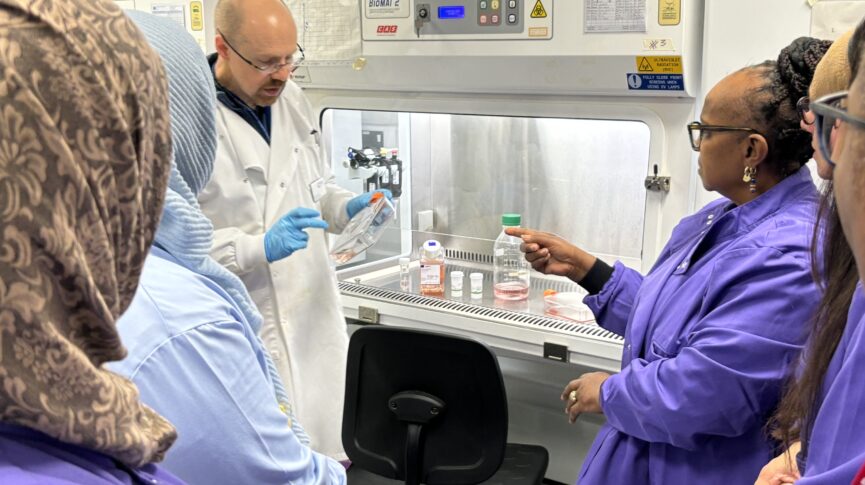
This World Cancer Day (4th February), we hosted Can-Survive UK at the Paterson Building where we explored the amazing work of the MCRC Biobank facility. Can-Survive UK does essential work providing culturally tailored support and information to African, Caribbean, and other diverse communities affected by cancer. During their visit, we explored the MCRC Biobank and discussed how donated tissue samples act as the ‘engine room’ for modern discovery. The team also toured our laboratories and got a behind-the-scenes look at the technology driving the next generation of cancer treatments.
MCRC Charity Showcase
As part of our 20th anniversary celebrations, on Wednesday 18th March we held the MCRC Charity Showcase – a dedicated event that connected cancer researchers with a variety of cancer charities. The programme featured showcase talks and networking sessions where funding bodies, such as Leukaemia UK, Melanoma UK, and the Eve Appeal, shared their strategic priorities and upcoming grant cycles. By providing a platform for direct engagement, the event helped academic teams identify new opportunities to diversify their research funding and align their work with patient-focused charity goals.
Announcements
This month we launched the MCRC’s 20th anniversary celebrations with a dedicated campaign webpage and new visual identity.
We have several major events planned for the coming months to mark two decades of impact, innovation, and partnership at the Manchester Cancer Research Centre. This includes a series of Onco-Humanities lectures and new edition of Cancer Futures.
I look forward to sharing more of these events and activities with you in the next update.
In other news – updates from across the cancer research ecosystem
CRUK National Biomarker Centre
Liquid Biopsy Advances for Ewing Sarcoma
The Nucleic Acids Biomarkers Team, working with Professor Martin McCabe, has published its first liquid biopsy study in a paediatric tumour type. The new EwingSign assay combines cfDNA methylome and fragmentome profiling to improve detection of Ewing sarcoma, a cancer that is traditionally difficult to identify using plasma DNA.
Analysing samples from 26 young patients, the team showed that EwingSign identified most cases at diagnosis and relapse with no false positives. When methylation and fragmentation data were integrated, all relapse cases were detected. Published in EMBO Molecular Medicine, this work highlights a promising, minimally invasive approach for future disease monitoring.
 UpSMART Programme Completion
The UpSMART digital innovation programme, delivered across UK, Spanish and Italian ECMCs and led by the Digital Cancer Research Team, concluded in January 2026. Over six years, UpSMART created a suite of tools to modernise early‑phase cancer trials, all showcased at upsmart.digitalecmt.com.
Key outputs include the UpSMART trial‑matching tool and eTARGET virtual MTB, used since 2017; PIPO, a survival‑prediction tool for phase I trial entrants; and a Protocol Deviation Monitoring system enabling automated oversight of trial quality and safety.
For more information, contact DCR@cruk.manchester.ac.uk.
Professor Rob Bristow
Director, Manchester Cancer Research Centre,
Director, CRUK Manchester Centre
News
