MCRC Director's Update
April–June 2026

Hello everyone,
A warm welcome to this latest Director’s Update. The past few months have been another busy and productive period for the MCRC, with important progress across translational research, international engagement, major scientific meetings and local partnerships.
In this issue, we highlight clinical trial developments, new research publications, conference activity spanning ASCO, AACR, EACR and ESTRO, and a series of local events that have brought together colleagues, partners and researchers from across the cancer research ecosystem.
MCRC Research and Impact
Encouraging ASCO results from the EMITT-1 trial
Manchester’s strength in early-phase research was on show at ASCO 2026, where Professor Fiona Thistlethwaite presented encouraging results from the EMITT-1 trial at The Christie NHS Foundation Trust. The study suggests that combining GRWD5769 with cemiplimab could help immunotherapy work in cancers where it has previously failed. Responses were seen across six hard-to-treat tumour types, including some patients with very limited treatment options, highlighting the promise of this approach and Manchester’s leading role in translational cancer research.

National spotlight on breast cancer research
It was inspiring to see The Christie Charity’s Sarah Harding Breast Cancer Appeal featured on BBC Breakfast in April, bringing national attention to the BCAN-RAY study and the importance of earlier breast cancer risk assessment. In the segment, Kimberley Walsh and lead researcher Dr Sacha Howell highlighted the potential of this work, while study participant Annet Illing shared how taking part led to her own early breast cancer diagnosis. It was a powerful reminder of the impact that research, awareness and proactive risk assessment can have on people’s lives.
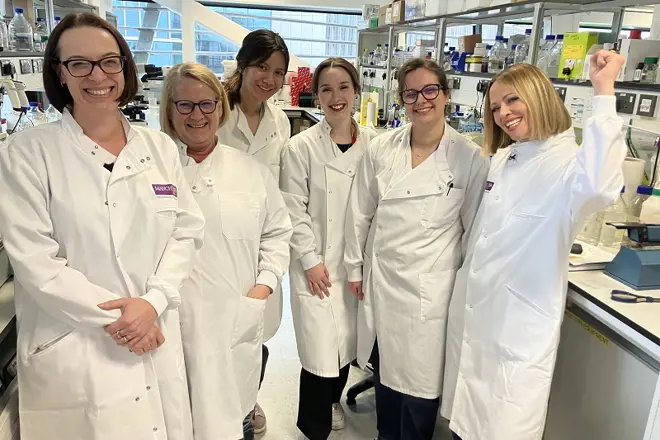
Professor Kaye Williams receives ARR Weiss Medal
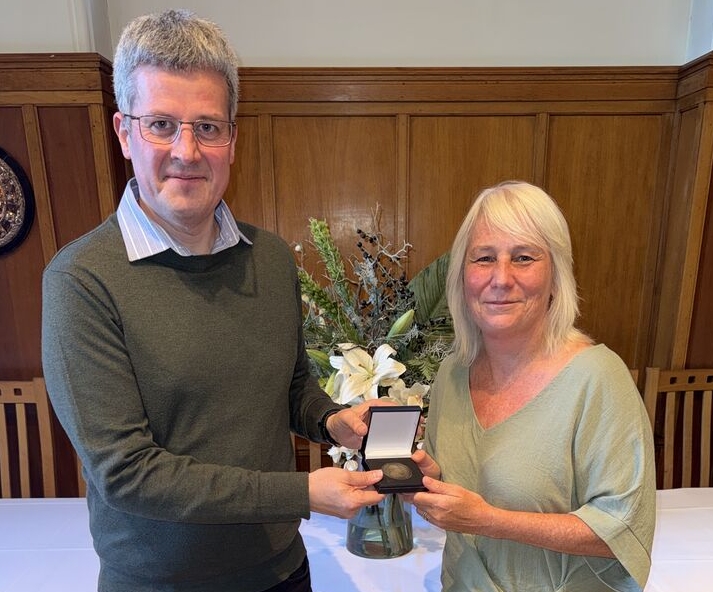
Huge congratulations to Professor Kaye Williams on receiving the ARR Weiss Medal at the Association for Radiation Research (ARR) Conference on 17-19 June – a fantastic recognition of her outstanding contributions to radiation science. Her inspiring keynote talk celebrated a remarkable career built on collaboration, mentorship and scientific impact. Congratulations from all of us at Manchester Cancer Research Centre.
Spotlight on Manchester Publications and Grants
Major new insight into the mutations that drive tumour growth
Manchester researchers have continued to deliver influential publications that deepen our understanding of cancer biology and open up new opportunities for diagnosis and treatment. One notable example is a landmark Nature Genetics study from teams at The University of Manchester and The Institute of Cancer Research, which mapped the full range of mutations driving tumour growth across 16 cancer types. Co-led by Professor David Wedge and Professor Richard Houlston, the work drew on whole-genome sequencing data from nearly 11,000 NHS patients through Genomics England’s 100,000 Genomes Project, offering important new insight that could help expand access to targeted and immune-based treatments.
Blood-based breakthrough in glioblastoma detection
Another important milestone came in glioblastoma research, where Manchester investigators identified a pair of blood-based proteins that could help detect the disease with high precision and monitor response to treatment. The study was led by Professor Petra Hamerlik, The Brain Tumour Charity Chair of Translational Neuro-Oncology at The University of Manchester. As one of the most aggressive forms of brain cancer, glioblastoma urgently needs less invasive and more reliable diagnostic tools, and this work offers encouraging progress towards earlier diagnosis, better treatment monitoring and an improved patient experience.
New studies in prostate and lung cancer
Elsewhere, a new study explored whether tumour biomarkers linked to hypoxia and angiogenesis could help personalise prostate cancer radiotherapy, offering further evidence of Manchester’s contribution to more targeted treatment strategies. In lung cancer, real-world data analysis led by Dr Fabio Gomes examined the effect of the COVID-19 pandemic on outcomes for patients with advanced non-small cell lung cancer, highlighting the lasting consequences of healthcare disruption while also providing important context for future service planning and treatment delivery.
International collaborations
ESTRO 2026
In May, ESTRO 2026 also provided an excellent opportunity to showcase Manchester’s strength in radiotherapy and oncology on the international stage. Across the congress in Stockholm, colleagues from across the Manchester Cancer Research Centre partnership contributed to talks, posters, panel discussions and debates spanning personalised cancer care, biologically guided radiotherapy, physics innovation, health economics, and paediatric and young adult research. Highlights included contributions from Marcel van Herk, Ludwig Dubois, Mairéad Daly, Corinne Faivre-Finn, Marianne Aznar, David Woolf, Agata Rembielak, Lucy Siew Chen Davies, Denis Page, Jiaming Cao, Chelsea Sargeant, Love Goyal, Mariam Ebrahim, Peter Hoskin and others. It was encouraging to see such strong representation throughout the meeting, underlining both the collaborative strength of our community and Manchester’s growing international profile in radiation oncology.

A panel discussion at ESTRO 2026

Marcel van Herk this morning on 'Uncertainties in Radiotherapy: Reduced or simply shifted?'
Manchester expertise recognised on the international stage
We were also delighted to see Manchester expertise represented prominently at the EACR Congress in Budapest, where Professor Samra Turajlić and Professor Caroline Dive delivered headline keynote talks. Their presence on this international stage reflects the continued leadership of Manchester investigators across cancer science and biomarker research.
Supporting early career researchers at AACR 2026
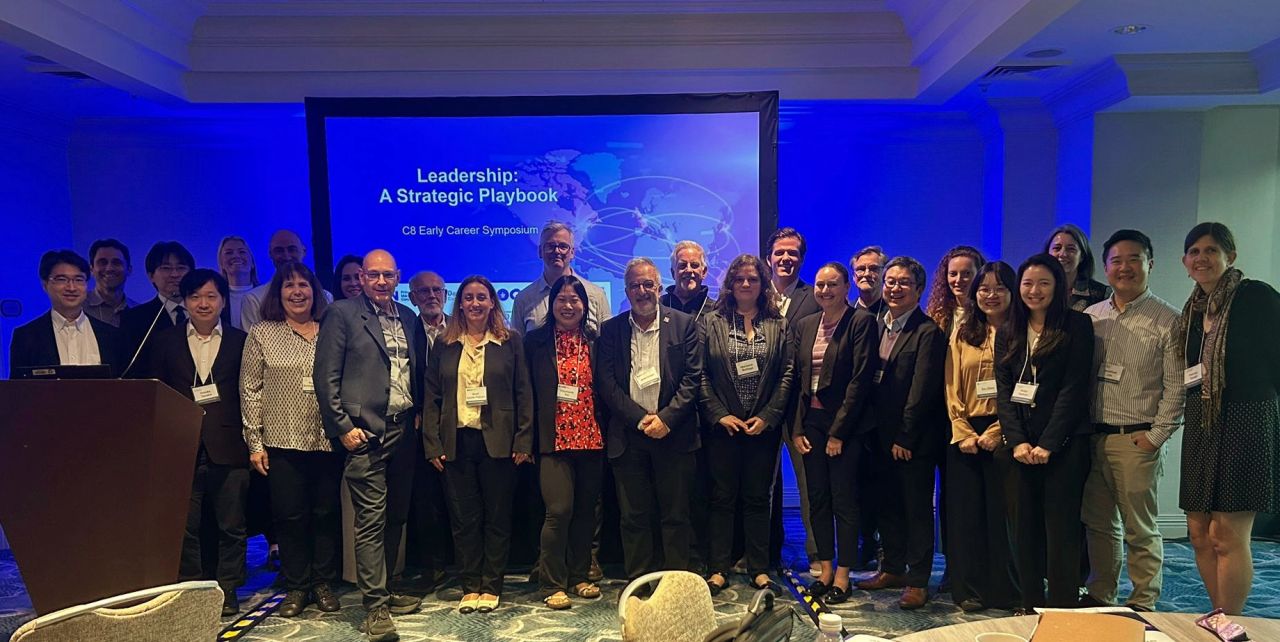
International engagement has also remained a strong feature of recent months. Manchester colleagues contributed to the C8 Early Career Investigators Symposium in San Diego ahead of AACR 2026 back in April, which created valuable space for early career researchers to connect, reflect and develop the wider skills needed to thrive in the business of science. The symposium was a welcome opportunity to showcase Manchester’s commitment to scientific excellence and support the next generation of research leaders through collaboration, mentorship and international partnership.
National and Local Collaborations
FASTMAN research highlighted during partner visit
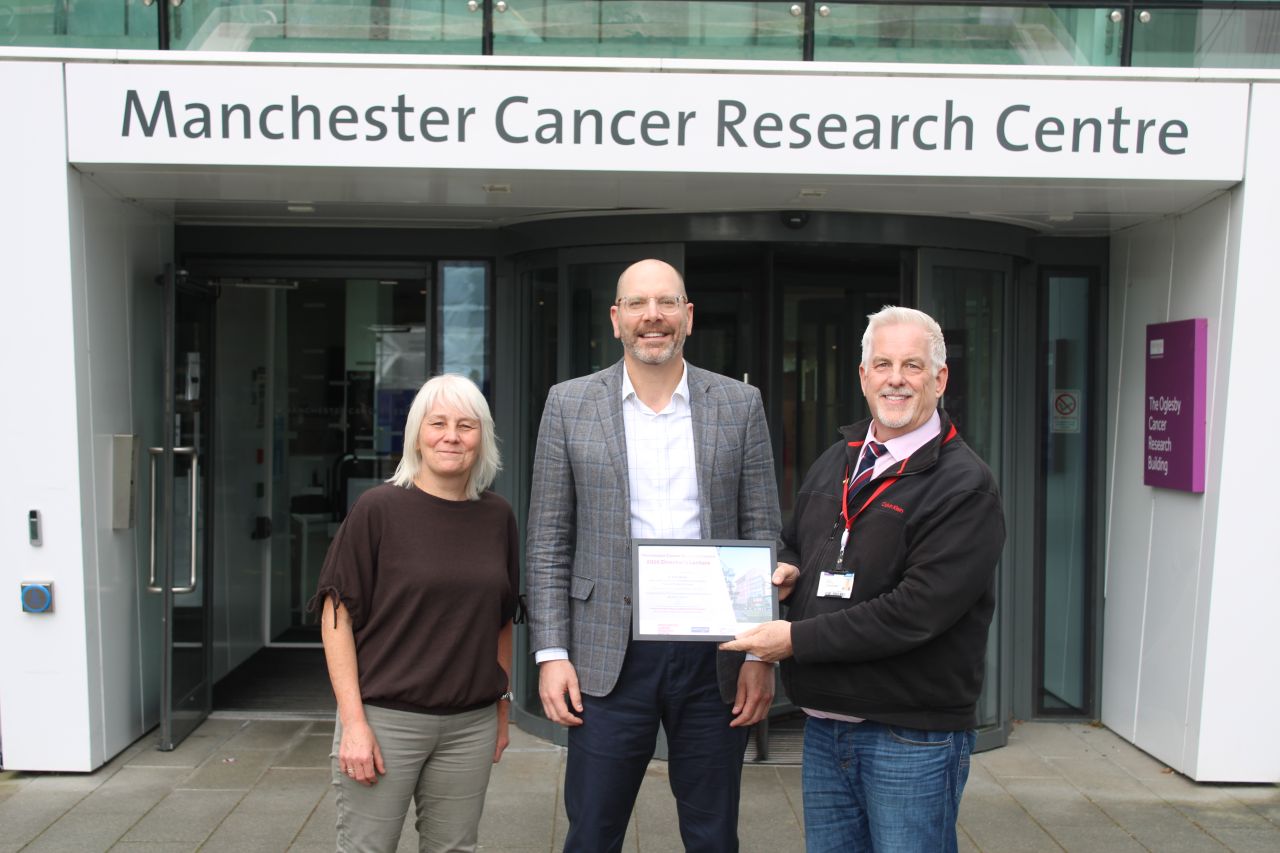
We were honoured to welcome Tarsem Dhaliwal, CEO of Iceland Foods, and our colleagues from Prostate Cancer UK to the Manchester Cancer Research Centre recently. During their visit to the Oglesby Cancer Research Building and Paterson Research Building, our guests toured our world-class laboratories and saw firsthand the groundbreaking work being conducted through the FASTMAN Movember Centre of Excellence. It was a fantastic opportunity to showcase how our collaborative research is pushing the boundaries of prostate cancer treatment.
Watch the short video below to learn more.
Cross Programme Biannual Showcase
Our recent Cross Programme Biannual Showcase brought together researchers, clinicians and partners for a lively and collaborative programme of talks, posters and discussion, highlighting the breadth of radiotherapy research taking place across Manchester. Topics ranged from the immune axis and proton therapy to personalised radiotherapy and bladder cancer, reflecting the depth of innovation across the field. We were also pleased to welcome Dr Kent Mouw of Harvard Medical School, who delivered a guest lecture on radiotherapy response in bladder cancer.
The Greater Manchester Cancer Conference 2026
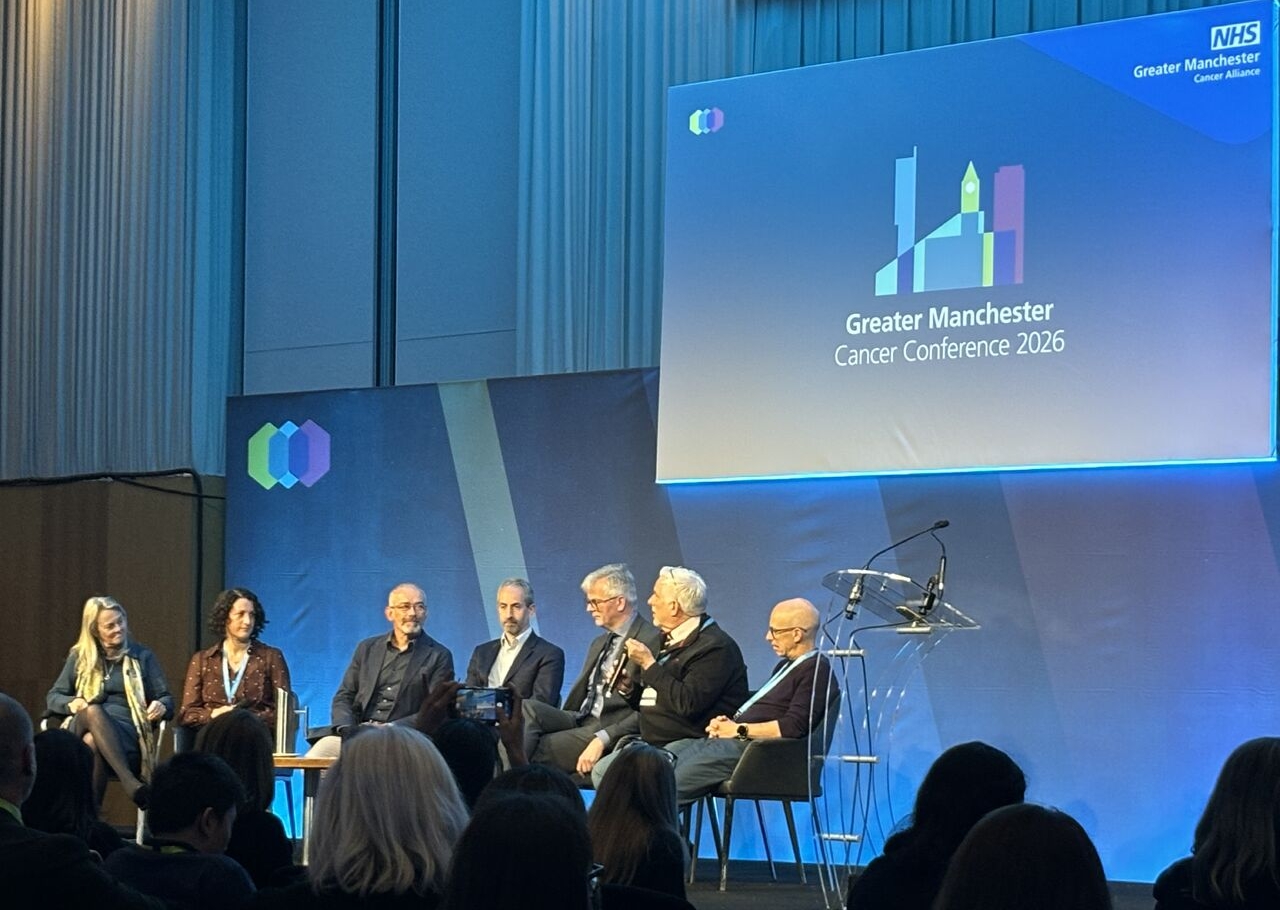
The Greater Manchester Cancer Conference 2026 brought together colleagues from across the region for two thoughtful and energising days focused on the future of cancer care. Discussions spanned prevention, earlier diagnosis, community outreach, AI-enabled tools, research, education and improving outcomes for people living with metastatic cancer, reflecting the breadth of ambition across Greater Manchester. A particular highlight was the closing keynote, Future of Cancer Care, chaired by Professor Rob Bristow and featuring Professor Caroline Dive, Professor Stephen Taylor and Dr Niki Flaum, which provided a strong and forward-looking conclusion to the conference. My thanks to everyone who contributed, presented and took part in making the event such a success.
Recognition for global health research and collaboration
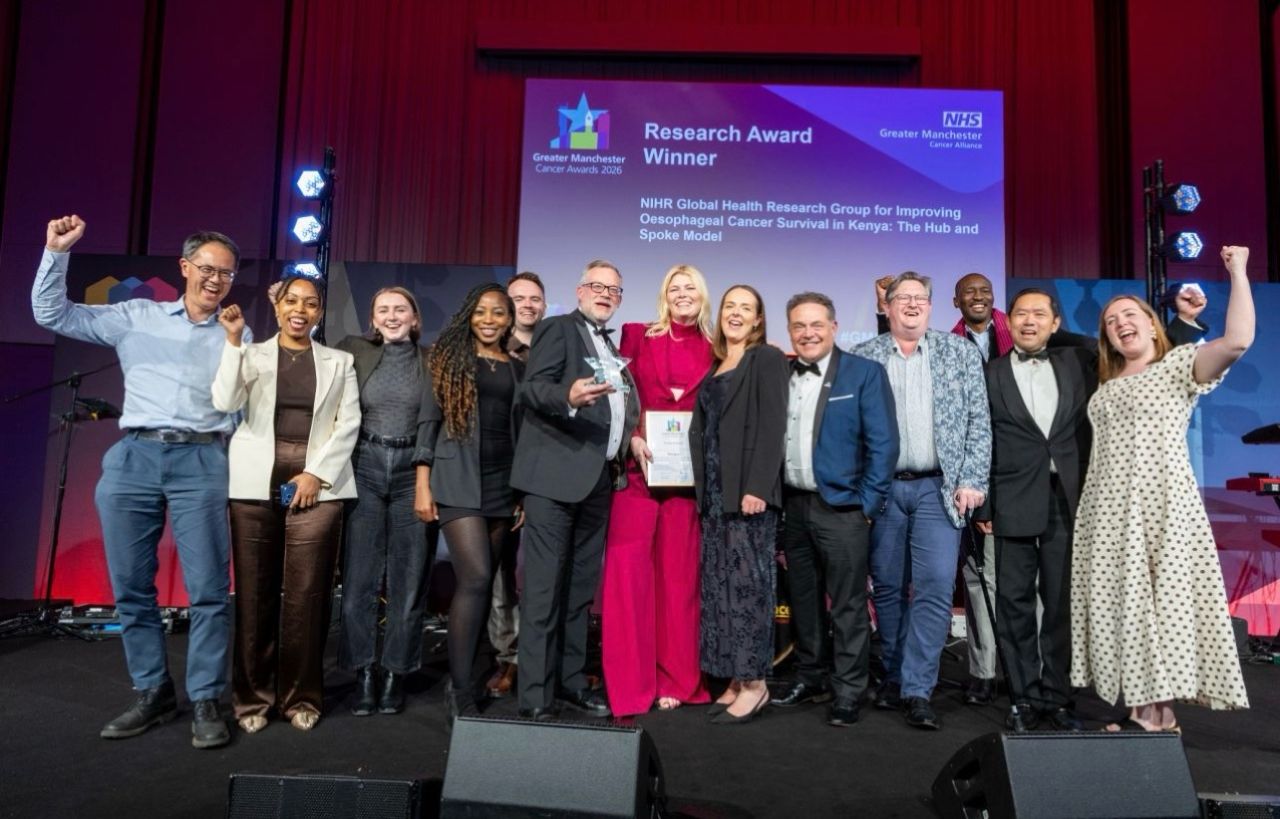
We were delighted to celebrate success at the Greater Manchester Cancer Alliance Research Awards, where the NIHR Global Health Research Group for Improving Oesophageal Cancer Survival in Kenya received the GMCC26 Research Award. This recognition reflects the strength of the collaboration across Kenya and Manchester and the impact of the team’s work to improve outcomes through research, partnership and shared expertise.
MCRC-DCS Postgraduate Research Showcase 2026
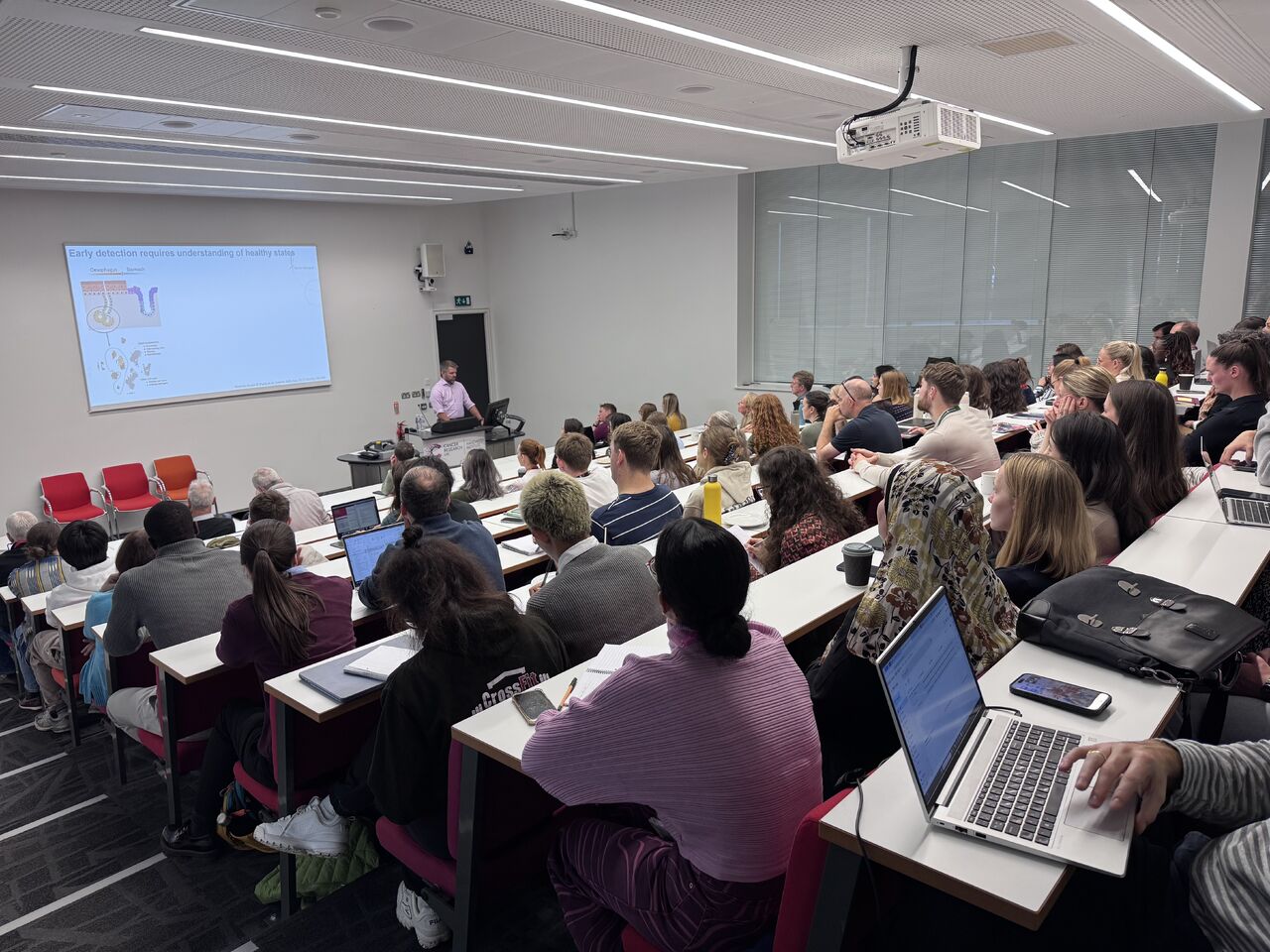
In June, the MCRC-DCS Postgraduate Research Showcase 2026 brought together colleagues for two engaging days of postgraduate cancer research, discussion and collaboration. Highlights included keynote talks from Dr Karol Nowicki-Osuch of the DKFZ German Cancer Research Center on early cancer detection, and Dr Thomas Kisby on brain cancer research, alongside a thoughtful PPIE panel exploring the value of meaningful patient involvement, featuring Melissa Perry, Dr Eleanor MF Richards and Maria Lawal. My thanks go to everyone who presented, attended and contributed to making the event such a success.
Announcements
Looking ahead to the MCRC’s 20th anniversary events
As part of the MCRC’s 20th anniversary celebrations, plans are taking shape for a series of events marking two decades of progress, partnership and innovation. Be sure to register for our upcoming celebration events:
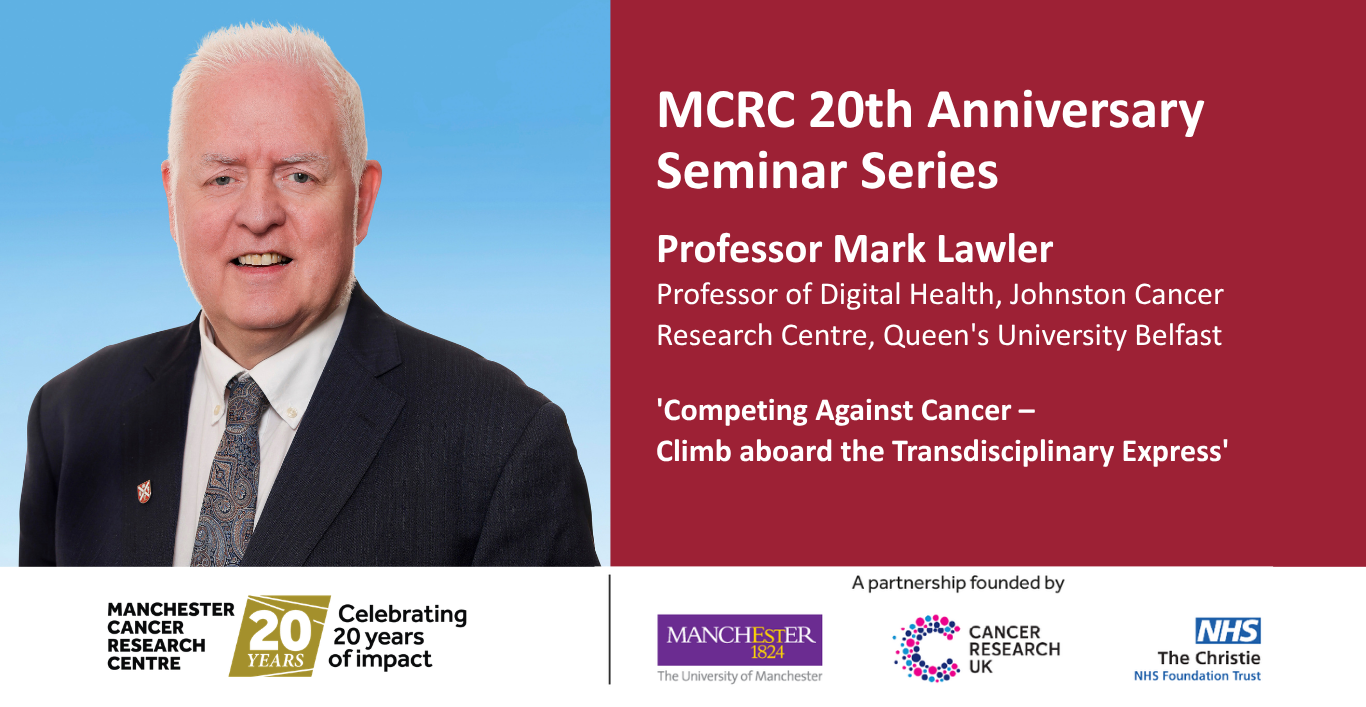
- Wednesday 8th July 2026, 15:00–16:00 (BST) – ‘Competing Against Cancer – Climb aboard the Transdisciplinary Express’: Join us for a keynote from Professor Mark Lawler, an internationally recognised leader in digital health, cancer data and policy. In this seminar, he will explore how transdisciplinary approaches can help tackle cancer inequalities, influence policy and improve outcomes for people affected by cancer. Sign up on Eventbrite.
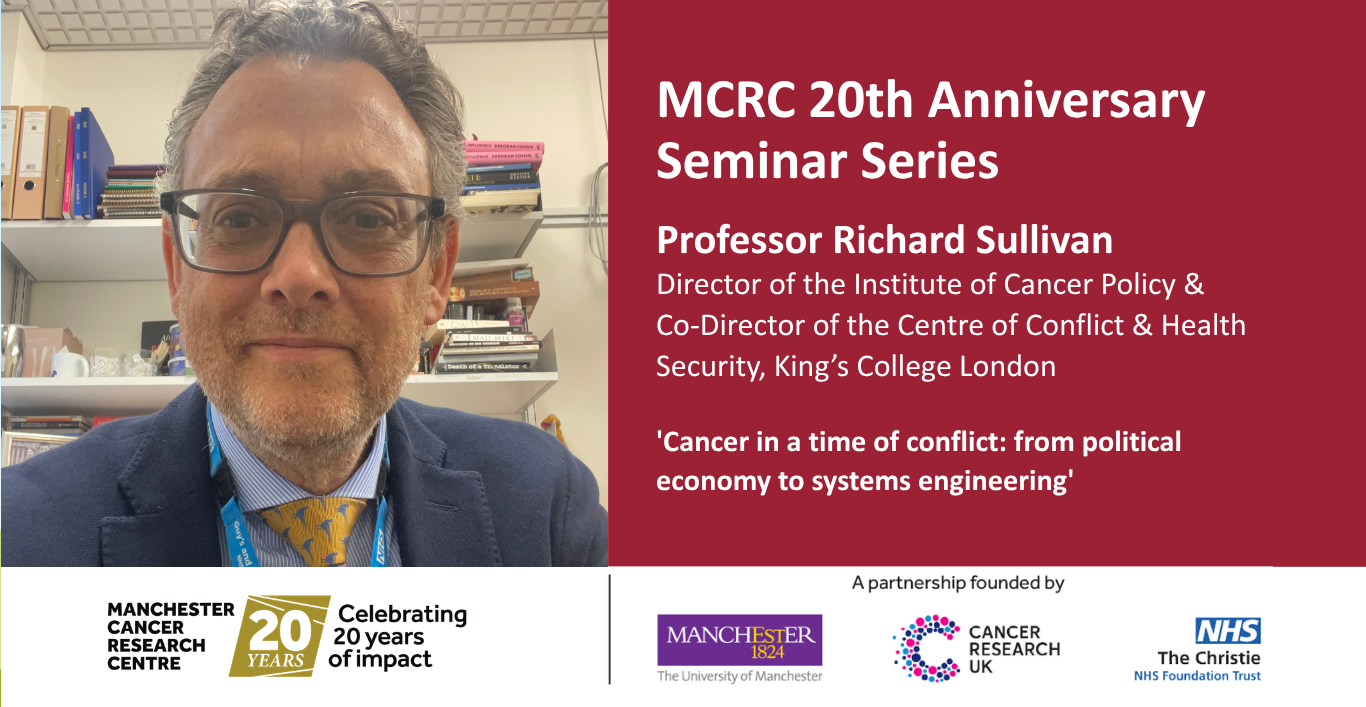
- Tuesday 10th November 2026, 15:00-16:30 (BST) – ‘Cancer in a time of conflict: from political economy to systems engineering’: Join us for a compelling keynote by Professor Richard Sullivan, a world-leading expert in global health security and cancer policy. This session will move beyond the biology of the disease to explore the political economy of cancer and the systems engineering required to sustain care in conflict-affected ecosystems. Sign up on Eventbrite.
In other news – updates from across the cancer research ecosystem
The Christie NHS Foundation Trust
- The MANIFEST immunotherapy study, which is one of the largest of its kind in the UK, has recruited its first patient. Led by The Christie, researchers want to recruit 3,000 people who are about to have immunotherapy for the first time for breast, bladder, kidney, or skin cancer. The aim is to understand why immunotherapy works for some people and not for others.
- Results from the UK’s first proton beam therapy trial were published in The Lancet, one of the world’s leading medical journals. The TORPEdO trial, co-led by The Christie, found that standard intensity-modulated radiotherapy is as effective as proton beam therapy for treating oropharyngeal cancer.
Division of Cancer Sciences
- May marked the launch of the second round of the WOMENtorship scheme in the Division of Cancer Sciences. This year, 18 mentees have been paired with 18 mentors to support women across the division through mentoring, peer networking and shared learning. The programme began with an ice-breaker lunch, giving participants the chance to meet, build connections and start their mentoring relationships. We look forward to seeing these mentoring relationships develop and to continuing to build a supportive community for women in DCS.
- Research led by Professor Richard Edmondson is helping to change the course of ovarian cancer through earlier detection and more personalised care. The work focuses on understanding the earliest biological changes linked to ovarian cancer, including how many aggressive cancers begin in the fallopian tube, and is supporting new approaches to diagnosis, risk assessment and treatment decisions. By combining patient samples, clinical insight and collaborative research across Manchester and beyond, the programme aims to improve outcomes for women with one of the hardest cancers to detect early.
Cancer Research UK Manchester Institute
- Cancer Research UK has announced a major increase in annual funding for the Cancer Research UK Manchester Institute, raising its investment from £11m to more than £17m this year. The additional £6m per year represents an increase of more than 50% and marks a significant boost for cancer discovery and innovation in Manchester. The funding will support up to 100 new jobs and enable the Institute to invest in cutting-edge technologies for its core facilities, further strengthening Manchester’s role as a leading centre for cancer research.
CRUK National Biomarker Centre
- A new CPD-certified online training resource, Clinical Trials of Digital Health Technologies (DHTs), has launched on the NIHR Learn Platform. Developed by the Digital Cancer Research Team through the Cancer Research UK-funded UpSMART Programme, the course offers practical guidance on running DHT trials in the UK, including PPIE, digital equity and sustainability. It also features TrialTutor, an AI-powered chatbot offering real-time learner support.
- Professor Caroline Dive received the Lifetime Achievement Award at the Educate North Awards, recognising her outstanding contribution to education and research.
- A new publication in EMBO Molecular Medicine shares EwingSign, a sensitive approach that integrates methylome and fragmentome profiling of cell-free DNA to improve Ewing sarcoma detection and relapse monitoring. If validated in larger cohorts, this strategy could support more accurate, minimally invasive disease monitoring and guide timely clinical interventions.
Professor Rob Bristow
Director, Manchester Cancer Research Centre,
Director, CRUK Manchester Centre
News
